
Exploring the allure of the world's most famous casinos
The Historical Origins of Casinos
The concept of casinos traces its roots back to the 17th century, beginning with small gambling houses in Italy. These establishments, known as “casini,” were designed for social gatherings where people could engage in games of chance. The emergence of casinos was not merely a pursuit for wealth; it was a social phenomenon that attracted aristocrats and common folk alike, fostering a culture of entertainment and risk-taking. Over time, these venues evolved into sophisticated establishments, paving the way for the modern casino, including sites like pari pulse, which embody this evolution.

As gambling became increasingly popular across Europe, countries like France and Monaco began to establish formal casinos. The Casino de Monte-Carlo opened in 1863, becoming a symbol of opulence and luxury. This casino’s architecture and grandeur attracted visitors from all over the world, ultimately turning Monaco into a gambling Mecca. The combination of beautiful landscapes and high-stakes gaming captured the imagination of many, setting the tone for future casinos around the globe.
The allure of casinos was not limited to Europe. In the early 20th century, the United States saw the rise of Las Vegas, which would later become the epicenter of gambling in the world. The legalization of gambling in Nevada in 1931 laid the groundwork for the explosive growth of casinos in Las Vegas. With iconic establishments like The Flamingo and The Sands, Las Vegas quickly became synonymous with luxury and excess, solidifying the casino’s status as a prominent feature of entertainment culture.
Architectural Marvels: The Design of Famous Casinos
The architecture of world-renowned casinos plays a crucial role in their allure. Each casino is designed not only to provide a space for gambling but also to create an immersive experience for visitors. For instance, the Bellagio in Las Vegas is famous for its breathtaking fountain show, which dances in sync with music and lights. This visually stunning feature makes the casino a landmark, drawing in tourists eager to witness the spectacle. The design encapsulates a sense of luxury that is in line with the high-stakes games it hosts.
Another architectural gem is the Venetian Macao in Macau, which captures the essence of Venice with its intricate canals and gondola rides. The casino’s design transports guests to a romantic landscape, enhancing the overall experience of gaming. The attention to detail in these constructions is astounding, with lavish interiors and meticulously crafted facades, creating an atmosphere that is hard to resist. Such grandeur plays a significant role in attracting visitors from around the world.
Casinos are also known for their themed environments, with many replicating famous landmarks or cultural motifs. Theming not only adds to the visual appeal but also creates a unique ambiance that keeps guests engaged. Whether it’s the Roman-inspired Caesars Palace or the tropical oasis of The Mirage, each casino offers something distinct. These elaborate designs contribute to the mystique and fascination surrounding casinos, making them destinations rather than mere venues for gambling.
The Vibrant Culture of Gambling
The culture surrounding casinos is as varied as the games themselves. Each casino offers a plethora of games ranging from classic table games like poker and blackjack to modern slot machines. This diversity caters to a wide range of preferences, allowing individuals of all backgrounds to engage in gaming. Many casinos even host tournaments, adding an element of competition and excitement to the experience. This cultural phenomenon creates a community where players bond over their shared love of the game.
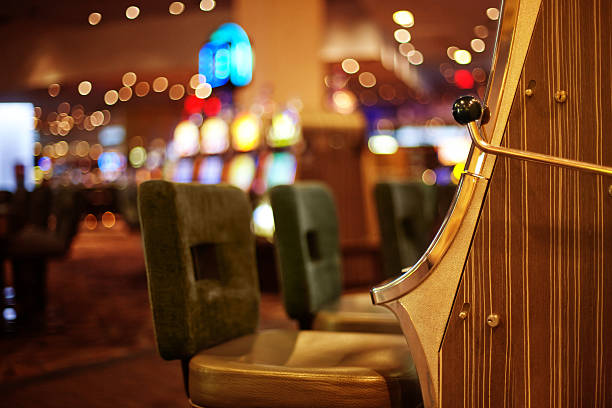
Moreover, the ambiance of casinos is curated to enhance the gaming experience. High-energy music, dazzling lights, and the sound of chips clinking add to the thrill of gambling. Beyond just gaming, many casinos also feature bars, restaurants, and live entertainment, creating an all-encompassing atmosphere. This environment encourages social interaction, making it a place where friendships can blossom over a shared bet or a lucky hand.
The cultural significance of casinos extends beyond mere entertainment. In many places, casinos contribute to local economies by generating jobs and attracting tourism. The social dynamics within casinos foster a sense of camaraderie among patrons, creating memorable experiences. From high-rollers to casual gamblers, the allure of the casino extends into the fabric of society, making it a key aspect of recreational culture worldwide.
Modern Innovations in Casino Gaming
The casino industry has continually adapted to the changing landscape of entertainment and technology. The rise of online gambling has transformed how people engage with casinos, allowing them to experience gaming from the comfort of their homes. Online casinos offer a vast array of games, often accompanied by live dealers to replicate the feel of a traditional casino. This innovation has made gambling more accessible, drawing in a new generation of players who seek convenience.
Additionally, technological advancements have made in-person casinos more interactive. Many now incorporate augmented reality and virtual reality into their offerings, providing an immersive experience that enhances gameplay. For instance, players can use their smartphones to engage with games in real-time, merging the physical and digital worlds. Such innovations are not only appealing but also serve to attract tech-savvy individuals eager for new experiences.
Moreover, casinos are increasingly focusing on sustainability. Many are implementing eco-friendly practices, such as energy-efficient lighting and waste reduction programs, to appeal to environmentally conscious consumers. This shift not only helps the planet but also reflects a growing trend in the hospitality and entertainment sectors. By embracing modern innovations, casinos can continue to captivate audiences while addressing contemporary concerns, ensuring their allure remains vibrant.
Conclusion: The Future of Casinos and Online Gaming
The allure of the world’s most famous casinos is a compelling blend of history, architecture, culture, and modern innovations. As these establishments continue to evolve, they remain pivotal in shaping the landscape of entertainment. The fascination with gambling shows no signs of waning, and as technology advances, casinos are poised to adapt and thrive in a rapidly changing world.
With the rise of online platforms, the casino experience is evolving further, offering convenience and accessibility without sacrificing excitement. Websites like PariPulse are at the forefront of this revolution, providing an extensive selection of games and sports betting options, ensuring that players can enjoy the thrill of gaming anytime, anywhere. This dynamic shift highlights the enduring appeal of casinos, both physical and digital, making them timeless destinations for those seeking entertainment and fortune.

